
Cognitive Behaviour Therapy (CBT) is highly effective for stress management because it helps you identify and change unhelpful thought patterns and behaviors that contribute to stress.

Cognitive Behaviour Therapy with Dr. Victoria Timm
I am a Counselling Psychologist working in the Rivonia area in Johannesburg. I am also a registered Research Psychologist. Although I have been trained in different approaches, I specialise mostly in Cognitive Behaviour Therapy (CBT).
I favour this approach as it is evidence-based, meaning that research has shown that the approach works for a broad base of problems of varying severity. However, I do have experience in other therapeutic approaches and therefore tailor the therapy model to each client’s unique needs.
Another reason for my preference for Cognitive Behaviour Therapy is that various techniques are taught to the client, enabling them to take skills with them, and this reduces the likelihood of relapse.
In short, I have found that a Cognitive Behaviour Therapy approach has helped many people looking for assistance in dealing with the stresses, strains and difficulties that are part of our lives. Furthermore, I find this approach is compatible with my personal beliefs and values that are Christian in orientation.
What is Cognitive Behaviour Therapy (CBT)?
According to the Cognitive Behaviour Therapy approach, people are prevented from managing their problems usually due to their emotional disturbance about it. Thus one of the primary goals of Cognitive Behaviour Therapy is to assist individuals in reducing emotional distress so that people can experience more appropriate, healthy emotional reactions. The goal is to assist people in shifting from unhelpful emotional states to more appropriate, manageable ones.

The Principles of Cognitive Behaviour Therapy
The principles upon which Cognitive Behaviour Therapy are based are that thoughts, attitudes, and beliefs have a profound influence on both the way we feel and our behaviour, and how we react to different scenarios that life confronts us with. These principles are used as means of understanding and treating psychological problems. The primary difference between Cognitive Behaviour Therapy and other psychotherapy models is based on the notion that emotional and behavioural disturbance is essentially driven by the way in which we think about what we are confronted with.
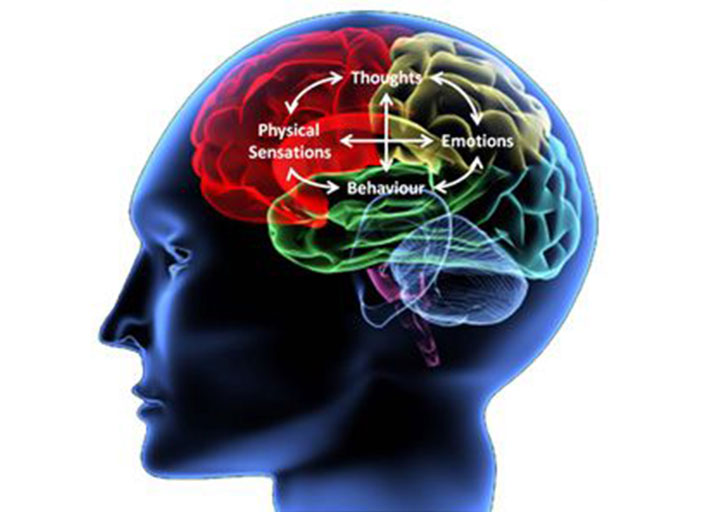
The Cognitive Behaviour Theory Model
Cognitive Behaviour Therapy theory poses that if we are able to identify those thinking and behavioural patterns that are contributing toward our distress, and alter these, we are then better equipped to reduce or eliminate psychological distress. The Cognitive Behaviour Therapy model fosters client responsibility as clients take an active role in identifying and altering the way in which they think so they can feel and react in a more appropriate way.
Techniques for Cognitive Behaviour Therapy
The client is taught the techniques and principles, thereby becoming their own therapist and this has been associated with a reduction in relapse. Cognitive Behaviour Therapy is practical and goal-orientated with research evidence that it works in the treatment of a variety of psychological problems such as mood disorders, anxiety disorders, interpersonal problems, eating disorders, substance-related problems, impulse control disorders, insomnia and behavioural problems.

Book an appointment
Complete the form below to request an appointment with Vicky.